
Localis Response to Budget 2026
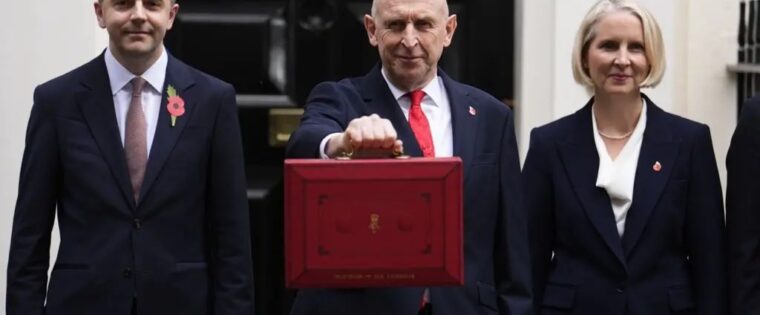
Localis chief executive, Jonathan Werran, said: ‘The Treasury’s signal of “devolution by default” sets a welcome direction, combining immediate capital mechanisms like the £285m Good Growth Fund with a £1.5bn mayoral borrowing facility from 2028, a £1.5bn extra for an affordable housing programme now weighing in at £40bn, and revised Green Book guidance that should encourage vital investment in areas that remain stubbornly left-behind.
‘There is a lot to positively drive the reform of local public services here under the aegis of ‘Rewiring the State’, the guiding hand of Number 10 North and the clear direction set by prime minister Andy Burnham’s insistence on embedding place-based collaboration as the default setting.
‘This agenda for local public service integration and future promise of ring-fenced prevention could well provide a genuine opportunity for whole-place budgeting and modern place-based business plans to tackle systemic challenges like worklessness and skills shortages.
‘Most excitingly today’s Budget finally sets out the long-awaited fiscal devolution roadmap, devolving all of business rates from the end of the decade – with 20% going to mayors next year and a share of income tax to mayors also in 2028 as well as the confirmation of the visitor levy.
‘The challenge the Treasury now faces is that delicate balancing act to prevent revenue gains accumulating disproportionately in London and the greater south east, providing some insurance to less prosperous areas while maintaining growth incentives across all regions.
‘Crucially, our mayoral strategic authorities, which will principally benefit from fiscal devolution, cannot power regional growth while their constituent local councils remain hamstrung by crippling statutory service cost pressures.
‘Ultimately, while today’s Budget takes strides toward rewiring the state, accelerating decentralisation and putting a firmer stamp of devolution across the full map of England, these great ambitions for place risk being undermined by national spending plans that remain untenable ‘fantasy public finances’, at least until next year’s Spending Review forces a reality check.’